Pleasant Hill, Washington, DC
Welcome to Pleasant Hill, DC: A Northwest Gem with Green Spaces and Community Charm
Tucked away in Northwest Washington, D.C., Pleasant Hill is a quiet and inviting neighborhood that offers a rare blend of residential comfort, abundant green space, and excellent city connectivity. Defined by its gently hilly terrain, leafy streets, and relaxed pace of life, Pleasant Hill appeals to those seeking a more affordable and approachable D.C. lifestyle without sacrificing access to the city’s energy.
For buyers looking for outdoor access, strong transit options, and a genuine neighborhood feel, Pleasant Hill is an increasingly appealing place to call home.
A History of Quiet Development and Natural Beauty
Pleasant Hill traces its origins to the post–Civil War era, when large estates in the area were gradually subdivided into residential parcels. While often grouped with nearby Mount Pleasant or Fort Totten, Pleasant Hill developed its own identity as a quieter, more residential enclave shaped by early streetcar expansion and later post–World War II growth.
Unlike many denser D.C. neighborhoods, Pleasant Hill retained a strong connection to open space. Parks, rolling terrain, and preserved natural areas remain central to its character, contributing to a laid-back atmosphere that continues to attract residents seeking balance between city living and nature.
Varied Homes and Abundant Greenery
Architectural Mix
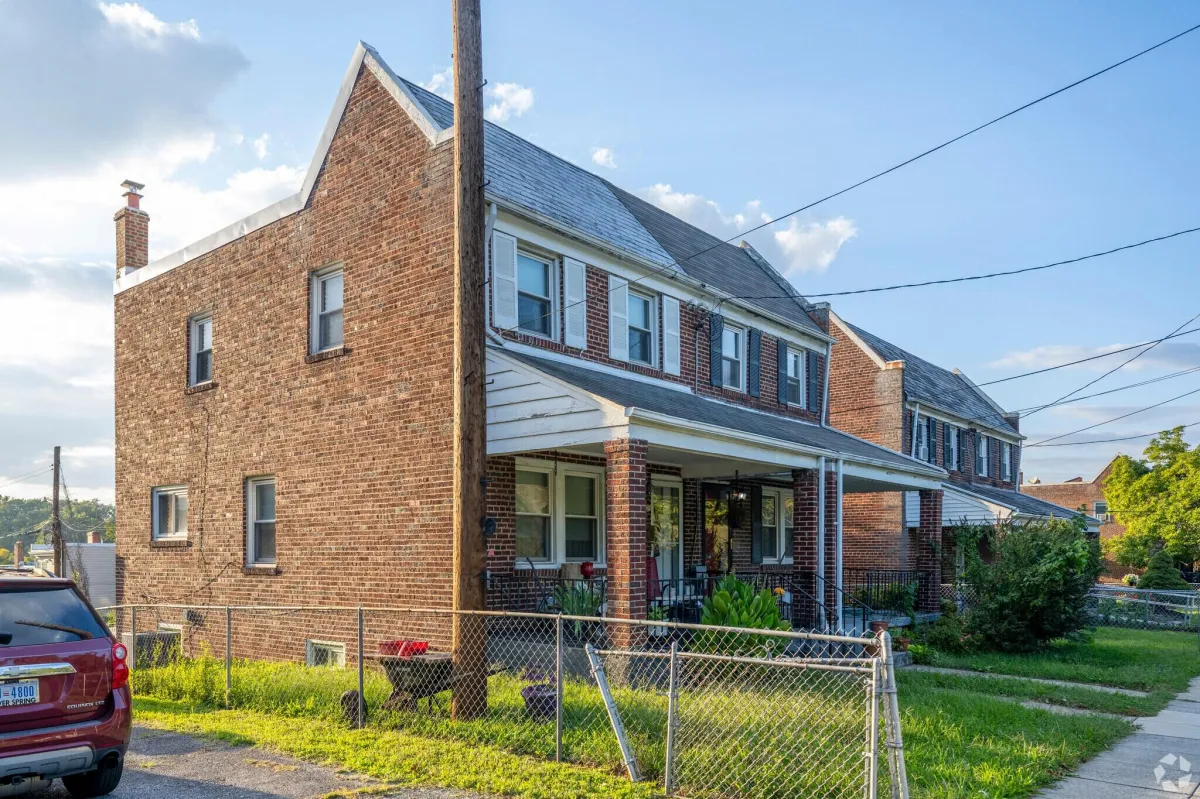
Pleasant Hill features a diverse housing stock that reflects its mid-20th-century development. The neighborhood includes single-family homes, brick duplexes, garden-style condominium complexes, townhouses, and low-rise apartment buildings. Many residences showcase durable brick construction typical of D.C., and the hilly topography adds visual interest and privacy throughout the neighborhood.
This variety allows Pleasant Hill to accommodate a wide range of buyers, from first-time homeowners to multi-generational households.
Parks and Outdoor Access
One of Pleasant Hill’s greatest strengths is its proximity to green space:
Fort Totten Park (www.nps.gov/cwdw): A former Civil War defense site now offering walking trails, wooded areas, and a peaceful pond.
Rock Creek Cemetery (www.rockcreekcemetery.com): While a historic cemetery, its landscaped grounds and sculpture-filled paths make it a serene spot for walking and reflection.
Turkey Thicket Recreation Center (www.dpr.dc.gov): A major neighborhood amenity with athletic fields, courts, playgrounds, and community programs.
Together, these spaces provide residents with daily opportunities for outdoor recreation and relaxation.
Real Estate in Pleasant Hill: Accessible Living with Growing Appeal
Pleasant Hill remains one of Northwest D.C.’s more accessible markets, particularly for buyers entering homeownership.
Housing Options
The neighborhood offers everything from entry-level condos and multi-family homes to larger townhouses. Most properties were built after the 1930s, with a significant portion dating to the post–World War II housing boom.
Market Snapshot
As of mid-2025, Pleasant Hill has seen notable price growth while remaining relatively affordable by D.C. standards. Median sale prices have recently hovered in the low-to-mid $300,000s, with condos starting in the mid-$200,000 range and larger townhomes or duplexes reaching the $700,000s. Homes typically spend longer on the market than citywide averages, offering buyers time and opportunity—especially first-time purchasers.
Amenities and Connectivity: Local Comfort with City Reach
Everyday Conveniences
Pleasant Hill is primarily residential, but nearby commercial corridors provide easy access to groceries, pharmacies, and casual dining. Areas such as Petworth and Riggs Park offer additional restaurants, cafes, and neighborhood businesses within a short distance.
Education and Institutions
Residents are served by District of Columbia Public Schools (www.dcps.dc.gov). The neighborhood’s proximity to The Catholic University of America (www.catholic.edu) also brings cultural events, lectures, and academic resources to the area.
Transportation and Mobility
Transit access is one of Pleasant Hill’s strongest assets. The Fort Totten Metro Station (www.wmata.com), serving the Red, Green, and Yellow Lines, provides fast connections to downtown D.C., Silver Spring, and beyond. Multiple Metrobus routes, including the H8 and H9, further enhance connectivity.
Capital Bikeshare stations (www.capitalbikeshare.com) and walkable streets make car-free living feasible for many residents, while nearby arterials offer convenient driving routes for commuters.
Pleasant Hill, Washington, D.C., offers a distinctive opportunity to enjoy green surroundings, attainable homeownership, and excellent transit access within the city. With its relaxed atmosphere, varied housing options, and growing appeal among first-time buyers and long-term residents alike, Pleasant Hill stands out as a neighborhood where nature, affordability, and community come together.
HOA: Yes / No (HOA presence varies by property type; condominium and apartment-style developments typically have associations, while many single-family and older properties do not.)
55+ Community: No