
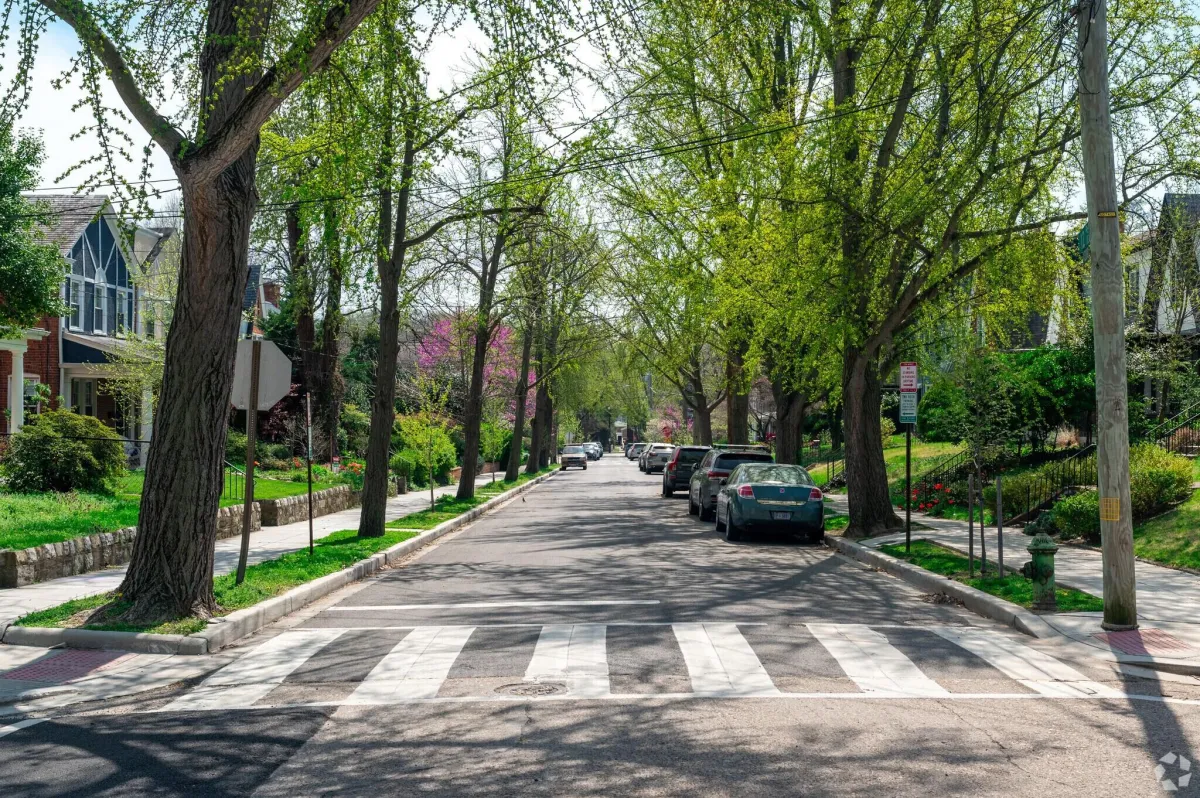
Michigan Park, Washington, DC
Welcome to Michigan Park, DC: Suburban Charm in the Heart of the City
Tucked away in Northeast Washington, D.C., Michigan Park is a serene and verdant residential neighborhood that offers a true suburban feel within the city limits. Known for its tree-lined streets, spacious detached homes, and strong sense of community, Michigan Park provides a peaceful retreat while remaining conveniently connected to the capital’s cultural, academic, and employment centers.
For those seeking quiet living, generous green space, and a welcoming, family-friendly environment, Michigan Park is an exceptionally appealing place to call home.
A History Rooted in Greenery and Growth
Planned Living and Academic Influence
Michigan Park developed primarily in the early 20th century, shaped by the ideals of the City Beautiful movement, which emphasized thoughtful planning, open space, and residential harmony. The neighborhood takes its name from Michigan Avenue NE, a major thoroughfare that forms its southern edge.
Historically, Michigan Park and surrounding neighborhoods earned the nickname “Little Rome” due to the concentration of Catholic institutions in the area, including The Catholic University of America (www.catholic.edu) and St. Anselm’s Abbey School (www.saintanselms.org). This academic and religious presence helped anchor the neighborhood’s stability and long-term residential character.
Over time, Michigan Park evolved into a predominantly homeowner-occupied community, supported by an active civic association and residents committed to preserving its peaceful atmosphere and architectural diversity.
Classic Homes and Lush Landscapes
Distinctive Architecture
Michigan Park stands out in the D.C. landscape for its abundance of single-family detached homes, a rarity in many urban neighborhoods. Housing styles include classic brick Colonials, Tudors, Spanish Mission–inspired residences, and Mid-Century Modern ranch homes. Many properties sit on generous lots with mature trees, front lawns, and private driveways, reinforcing the neighborhood’s suburban ambiance.
While detached homes dominate, select townhome developments have emerged, offering additional options while maintaining the area’s low-density feel.
Parks and Outdoor Living
True to its name, Michigan Park offers excellent access to green space. The neighborhood borders the Fort Circle Parks system, providing walking paths and natural scenery. The North Michigan Park Recreation Center (www.dpr.dc.gov) serves as a key community asset with indoor and outdoor facilities, including a gymnasium, basketball courts, and athletic fields.
Just minutes away, the U.S. National Arboretum (www.usna.usda.gov) offers nearly 450 acres of botanical gardens, trails, and seasonal displays, making it a favorite destination for residents seeking nature close to home.
Real Estate in Michigan Park: Space, Value, and Variety
Real estate in Michigan Park offers a compelling blend of space, architectural character, and relative affordability compared to many central D.C. neighborhoods.
Housing Overview
Homes often provide more square footage and private outdoor space than comparable properties closer to downtown. The housing stock includes well-preserved historic homes, thoughtfully renovated residences, and occasional newer construction.
Market Snapshot
As of mid-2025, Michigan Park’s housing market is considered somewhat competitive. Median home prices generally range from the mid-$500,000s, with variation depending on size, condition, and location. Entry-level homes may appear in the low $300,000s, while larger or extensively renovated properties can approach or exceed $1 million. This range reflects the neighborhood’s diversity and growing appeal.
Amenities and Connectivity: Peaceful Living with Urban Access
Nearby Dining and Shopping
Michigan Park is primarily residential, but nearby neighborhoods provide convenient access to dining and retail. The Brookland 12th Street corridor and Monroe Street Market (www.monroestreetmarket.com) offer popular restaurants, cafes, and artisan shops. Favorites include Brookland’s Finest Bar & Kitchen (www.brooklandsfinest.com) and Primrose (www.primrosedc.com).
Local coffee shops, grocery stores, and essential services are easily accessible within a short drive or bike ride.
Education and Institutions
Families are served by DC Public Schools, including Bunker Hill Elementary School and Brookland Middle School. The proximity to Catholic University and Trinity Washington University (www.trinitydc.edu) also provides access to cultural programming, lectures, and community events.
Transportation and Access
Michigan Park offers strong transit connectivity. The Fort Totten Metro Station (Red, Green, and Yellow Lines) and Brookland–CUA Metro Station (Red Line) are both accessible via walking, biking, or a short bus ride. Numerous Metrobus routes serve Michigan Avenue NE and surrounding streets. Transit information is available at www.wmata.com.
While some errands may require a car, the neighborhood’s calm streets support walking and biking, and easy access to Michigan Avenue NE provides direct routes to downtown D.C. and the Capital Beltway.
Michigan Park, Washington, D.C., offers a rare opportunity to enjoy suburban-style living, abundant greenery, and architectural variety—all within the dynamic fabric of the nation’s capital. With its peaceful atmosphere, strong community ties, and convenient access to education, parks, and transit, Michigan Park continues to be one of Northeast D.C.’s most quietly desirable neighborhoods.
HOA: No
55+ Community: No