Marshall Heights, Washington, DC
Welcome to Marshall Heights, DC: A Neighborhood Forged in Resilience and Community
Nestled in Southeast Washington, D.C., near the Maryland border, Marshall Heights is a historic and resilient neighborhood with a proud past and an eye toward the future. Named after a prominent landowning family, this community transformed from its rural beginnings into a vital residential area, thanks to the persistent efforts of its residents and significant development over the decades. If you're seeking an affordable D.C. address with deep community roots, a mix of classic and new homes, and a spirit of continuous improvement, Marshall Heights is an exceptionally appealing place to call home.
More neighborhood details:
https://www.homes.com/local-guide/washington-dc/marshall-heights-neighborhood/
From Rural Tract to Thriving Community
Marshall Heights' story began in the late 19th century as part of an extensive land parcel. Initially a sparsely developed rural area, it gained national attention after a pivotal visit by First Lady Eleanor Roosevelt in 1934, which helped catalyze long-overdue infrastructure improvements including water service, sewer lines, and street lighting.
Historical background on Marshall Heights:
https://planning.dc.gov/page/ward-7
Following World War I and especially after World War II, Marshall Heights became a critical destination for African Americans seeking homeownership free from restrictive covenants. Despite early challenges, strong civic engagement—led by organizations such as the Marshall Heights Community Development Organization (MHCDO)—pushed large-scale residential development throughout the mid-to-late 20th century.
Learn more about MHCDO:
https://www.mhcdo.org/
This long history of advocacy and mutual support continues to define the neighborhood’s character today.
Diverse Homes and Accessible Recreation
The housing landscape in Marshall Heights reflects both its history and continued growth:
Classic brick townhouses and duplexes built primarily in the 1940s, often with raised entryways due to the hilly terrain
Single-family ramblers and Colonial-style homes offering additional space
Newer three-story townhouses with modern layouts and multiple bedrooms
Garden-style condominiums, some dating back to the 1960s, providing affordable entry points
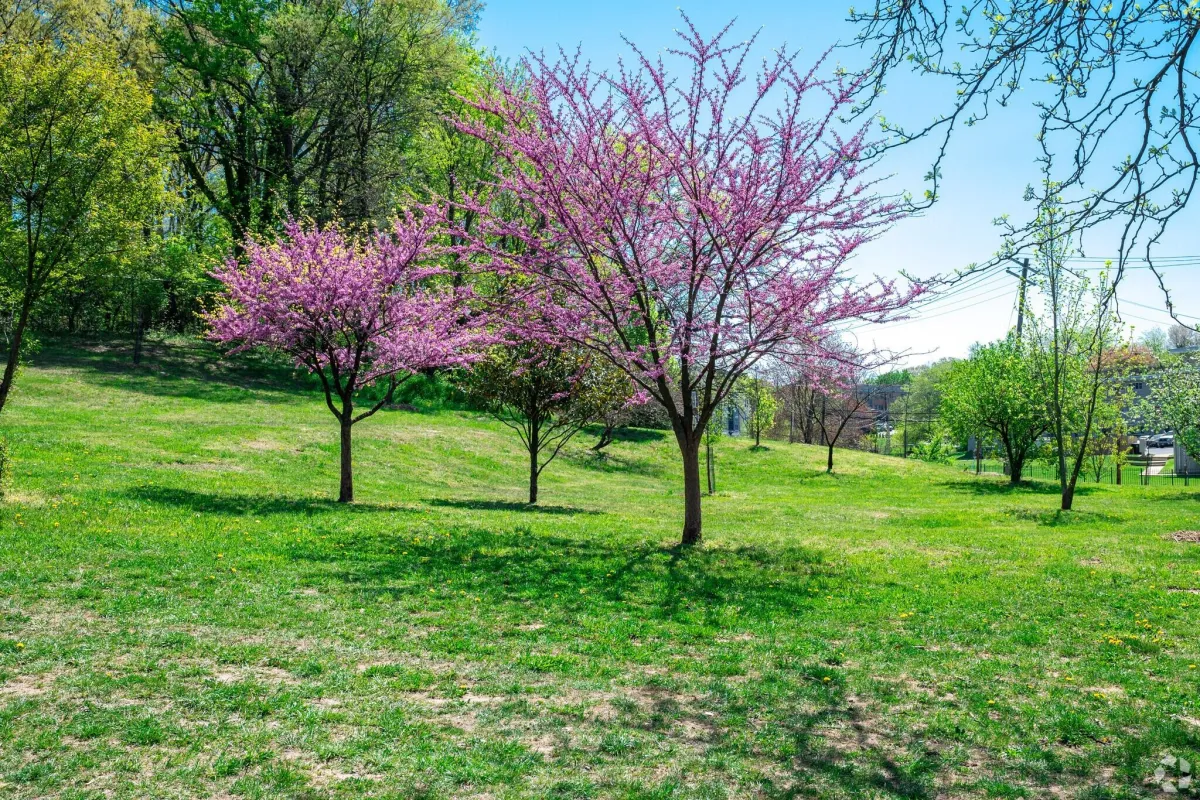
Marshall Heights also benefits from well-maintained recreational facilities and nearby parkland:
Woody Ward Recreation Center – Fully renovated in 2021, featuring a boxing ring, fitness center, dance studio, arts room, playground, pool, and outdoor courts.
https://dpr.dc.gov/page/woody-ward-recreation-centerFletcher Johnson Recreation Center – Includes basketball and tennis courts and athletic fields, with future redevelopment planned.
https://dpr.dc.gov/page/fletcher-johnson-recreation-centerFort Dupont Park – Just west of the neighborhood, offering over 10 miles of trails, community gardens, and summer concerts.
https://www.nps.gov/fodu/index.htm
Real Estate in Marshall Heights: Value with a Promising Outlook
Marshall Heights remains one of the more accessible housing markets within Washington, D.C., appealing to both first-time buyers and long-term investors.
Affordable Entry Points:
One-bedroom condos: ~$75,000–$100,000
Brick townhouses/duplexes: ~$250,000–$400,000
Newer townhomes: ~$400,000–$600,000
Mixed Market Trends:
Market data varies by source and boundary definitions. Median sale prices in the broader area typically fall between the high $300Ks and low $400Ks, with homes averaging 44–67 days on the market.
Current market data:
https://www.redfin.com/neighborhood/231/DC/Washington-DC/Marshall-Heights/housing-market
https://www.zillow.com/home-values/121708/marshall-heights-washington-dc/
Investment Potential:
Continued public investment, new housing development, and community-led economic initiatives suggest steady long-term appreciation.
Amenities and Connectivity: Local Conveniences and City Access
Marshall Heights supports a community-focused lifestyle with practical amenities and reliable transportation.
Local Conveniences:
The neighborhood is primarily residential, with easy access to neighborhood grocery stores, service businesses, and nearby commercial corridors. Residents continue advocating for expanded dining and retail options.
Education:
Marshall Heights is served by District of Columbia Public Schools (DCPS) and high-performing charter schools:
C.W. Harris Elementary
Nalle Elementary
Kelly Miller Middle School
H.D. Woodson High School
DCPS information:
https://dcps.dc.gov/
Charter Schools:
KIPP DC Promise Academy
https://www.kippdc.org/
Community Engagement:
Active civic groups such as the Marshall Heights Civic Association play a key role in neighborhood advocacy and planning.
https://www.mhcivicassociation.org/
Transportation:
Benning Road Metro Station (Blue & Silver Lines) offers direct access to downtown D.C.
https://www.wmata.com/Multiple Metrobus routes run along Benning Road and East Capitol Street. Driving access is also convenient via major arterials.
Community Overview
HOA: Yes/No (Most traditional homes do not have HOAs. Newer townhome developments and condominium buildings include HOA or condo fees.)
55+ Community: No (Marshall Heights is a multi-generational neighborhood and not age-restricted.)