Brentwood, Washington, DC
Welcome to Brentwood, DC: A Connected Hub with Enduring Charm
Nestled in Northeast Washington, D.C., Brentwood is a dynamic and evolving neighborhood that seamlessly blends its historic roots with modern conveniences. Once a railroad suburb, this community has grown into a well-connected residential and commercial hub, known for its diverse housing, a growing retail scene, and excellent access to the wider metropolitan area. If you're seeking an urban environment that offers a strong sense of community, relative affordability, and outstanding transit options, Brentwood is an exceptionally appealing place to call home.
From Railroad Suburb to Revitalized Corridor
Brentwood’s origins date back to the late 19th century, when it was established as a railroad suburb serving Washington, D.C. The neighborhood takes its name from the historic Brentwood Mansion, built in 1817 by Robert Brent, the first mayor of Washington City. Early development focused on modest, practical homes for working- and middle-class families, creating a cohesive residential community.
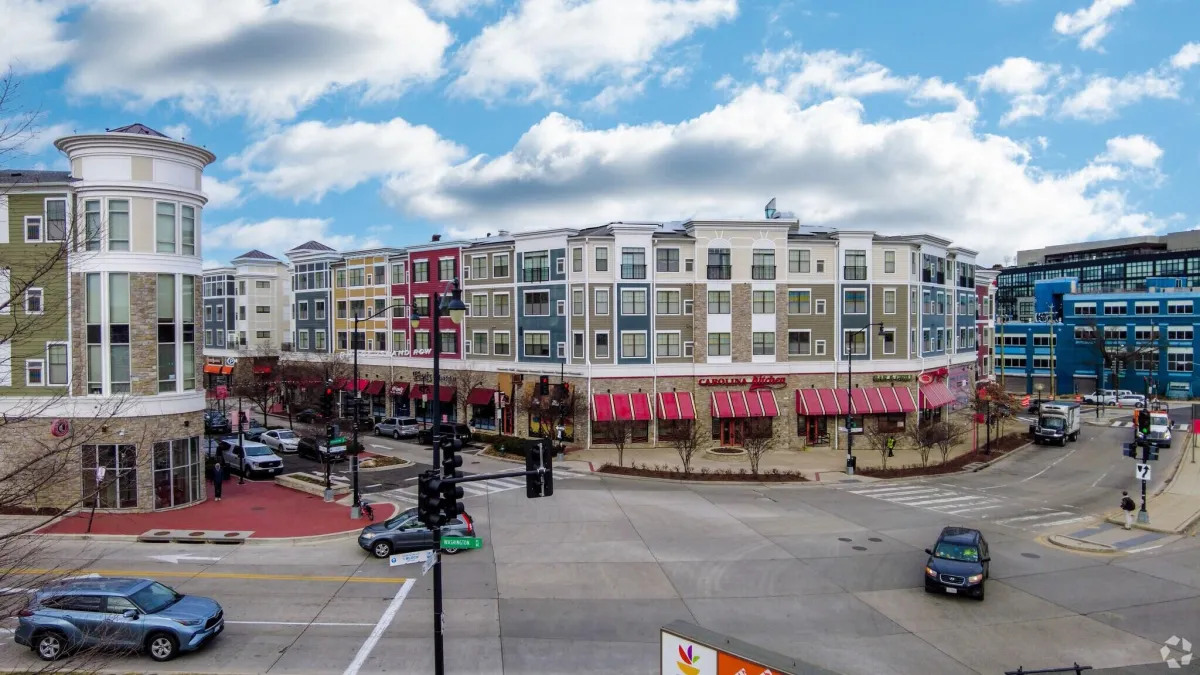
Throughout the 20th century, Brentwood continued to evolve as commercial and industrial uses expanded along its edges, particularly near Rhode Island Avenue NE. In recent decades, the opening and growth around the Rhode Island Avenue–Brentwood Metro station has driven significant revitalization. New residential buildings, retail centers, and public investments have transformed the area into a vibrant mixed-use corridor while maintaining its established neighborhood character.
• Historic context: www.historicwashingtondc.org
Diverse Architecture and Local Green Spaces
Brentwood’s architectural landscape reflects its layered history. The neighborhood features a mix of single-family detached homes, including American Foursquares, bungalows, and Cape Cod–style houses, many built in the early to mid-20th century. Twin homes and traditional rowhouses add to the variety, while newer condominium and apartment developments—especially near Rhode Island Avenue—introduce modern living options.
Although urban in nature, Brentwood provides accessible green spaces for residents. The Brentwood Recreation Center offers open fields and seating areas for relaxation and community gatherings. The neighborhood also benefits from proximity to the Fort Circle Parks system, which provides additional green space, walking paths, and recreational opportunities nearby.
• Brentwood Recreation Center: www.dpr.dc.gov
• Fort Circle Parks: www.nps.gov/nace
Real Estate in Brentwood: Accessible Urban Living
Real estate in Brentwood offers one of the more approachable entry points into Washington, D.C. homeownership, particularly compared to neighboring areas closer to downtown. Housing options include single-family homes, townhouses, and condominiums, appealing to a wide range of buyers and renters.
Varied Options and Value: Homes range from original early-20th-century structures to renovated properties and newer condo developments. Many houses include basements and flexible layouts that allow for customization or rental income potential.
Market Trends: As of mid-2025, the Brentwood housing market is considered very competitive. Median sale prices hover around $385,000, though values vary based on property type, condition, and proximity to transit. Desirable homes can sell quickly, sometimes above list price, reflecting strong demand driven by location and accessibility.
• Market data reference: www.redfin.com
Amenities and Connectivity: A Well-Equipped Neighborhood
Living in Brentwood means enjoying a convenient lifestyle supported by growing retail options and exceptional transportation access.
Retail and Dining Hubs: Rhode Island Place is a major shopping destination, home to retailers such as Giant Food, Home Depot, and Ross Dress for Less. Rhode Island Row serves as a neighborhood focal point, combining residential buildings with dining options like District Rico and Sala Thai, along with everyday services such as CVS. Just south of Brentwood, Union Market offers a renowned food hall experience with local vendors and artisan shops.
• Rhode Island Place: www.riaplace.com
• Union Market District: www.unionmarketdc.com
Community and Culture: Brentwood plays a role in D.C.’s creative economy. The D.C. Office of Cable, Television, Film, Music & Entertainment is located here, alongside venues like Whitfield Entertainment Group Studios, which hosts events, performances, and productions. The Brentwood Recreation Center also serves as a neighborhood gathering space for families and residents.
• OCTFME: www.octfme.dc.gov
Education: Families are served by District of Columbia Public Schools (DCPS), including Noyes Elementary School, known for its arts integration focus, and Brookland Middle School.
• DC Public Schools: www.dcps.dc.gov
Outstanding Accessibility: Brentwood is exceptionally well connected. The Rhode Island Avenue–Brentwood Metro station on the Red Line provides fast access to downtown D.C. and beyond. Numerous Metrobus routes further enhance mobility, while major corridors such as Rhode Island Avenue NE and New York Avenue NE make driving convenient. High walkability and strong transit access allow many residents to live comfortably without a car.
• WMATA: www.wmata.com
Brentwood, Washington, D.C., offers a compelling blend of historic charm, ongoing revitalization, and everyday convenience. With diverse housing options, growing amenities, and excellent transportation connections, it stands out as a neighborhood where community, accessibility, and urban opportunity come together—making Brentwood an engaging and desirable place to call home.
HOA: Yes/No (Most older single-family homes and traditional rowhouses do not have neighborhood-wide HOAs. Newer condominium and apartment developments, particularly near the Rhode Island Avenue corridor, typically have HOAs or condo fees.)
55+ Community: No